
McLaren Vale viticulturist Richard McGeachy reflects on the state of the Australian wine industry and mental health – and what we can learn from the volunteer firefighter community.
I wrote this on the Wednesday before Pete Fraser’s tragic passing with the intention of sending it to The Week That Was.
They’re thoughts that have been rattling around in my head for some time in relation to mental health in the wine industry.
I think the idea of a Head of Mental Health (as broached in TWTW) is a great idea.
I know from hard experience that the more we talk about it, the better things will become. Aside from the wonderful wine he made, perhaps this too could be part of Pete’s legacy?
Twenty-one years ago this week I finished my Viti degree and moved from St Anns College to McLaren Vale to take up the viticulture officer role at the McLaren Vale Grape Wine & Tourism Association.
All my worldly possessions were packed in the back of my trusty 1990 Subaru Wagon (flat folding rear seats, what a feature!), my departure no doubt timed to suit the infamous reversible road.
Last week I discovered the photo of me accidentally running a red light at the corner of West Terrace on my way out of the city. I was probably afraid the brakes wouldn’t pull me up when it went amber.
McLaren Vale had just come off its largest-ever vintage in 2004 and one of my early tasks as the VO was writing an uncontracted fruit register, a simple spreadsheet which grew and grew as the glut of fruit became apparent.
Growers rang me and I wrote down “10t Merlot, 15t Cabernet, call Joe Bloggs.”
I was supposedly going to be the hub for wineries to find fruit to fill their needs.
I don’t recall how successful it was – very limited, I suspect.
A little while ago I was standing outside the Top Pub in Willunga chatting to a grapegrower friend whom I also met 20 odd years ago when we were doing benchmarking trials in six different MV vineyards with Libby Tassie.
He wanted to ask me about vineyard removal as a good portion of his crop is unsold and he is trying to sell up and retire.
Initially I was shocked, but I reflected and true to form he always has a Plan A, B and C.
In short, I said I thought he should wait until after vintage as the pruning has been done and he was well into spraying it now.
Ever gracious, he thanked me for my time and went home.
His vineyard is beautifully run, with nothing left to chance and it produces consistent A and high-B grade fruit.
Certainly not a block I would be considering for removal – but that highlights how dire it really is.
I’ve driven through a number of South Australian regions lately and it doesn’t take long to spot the unmanaged blocks – where people can’t afford to pull them out, never mind manage them.
Tragically one of the six growers involved in the benchmarking program died by suicide – 16 years ago.
I was doing some work in his vineyard on that particular afternoon, totally unaware of what was going on nearby.
I was actually in a rush to finish the job as I had melanoma surgery later that day.
I think of him from time to time as his passing was part of a chain of events that quite frankly changed the course of my life.
Perhaps we need to spend more time and money engaging with wine industry folk on mental health and providing the tools to manage it instead of droll t-shirts?
Anyway, next week as captain of the Willunga CFS Brigade I will have the honour of presenting my grower friend with the CFS 40-year service medal.
He’s actually up to 42 years, but these things take time.
Remarkable to think he’d already given 21 years to the service when I first met him.
I’ve currently given half as much, a mere 11.
He’s confident, yet humble and empathetic, still at training every week, putting breathing apparatus on when required and jumping on trucks when he’s not pruning, spraying, netting and harvesting.
Still not jaded by the industry.
A quiet leader in the community.
The CFS might take a little while to distribute medals, but they’re absolutely first class at discussing and providing support for its members around mental health.
I and many of my colleagues have taken to opportunity to attend formal Mental Health First Aid training as well as received support after attending emotionally challenging incidents.
Those supports are there 24/7 and we encourage members to utilise that service openly and emphatically if required.
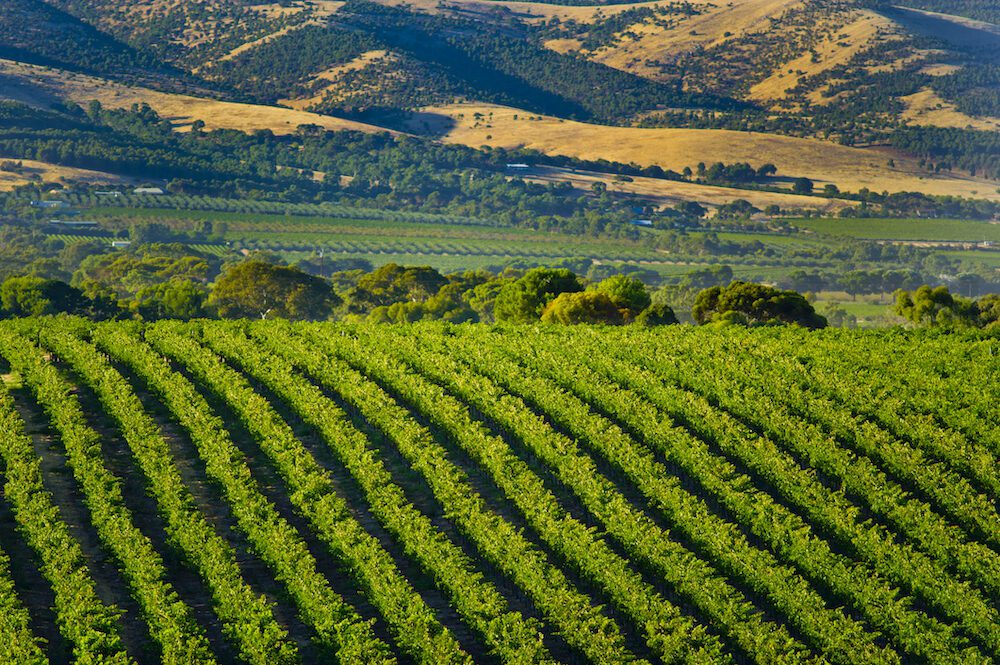
Photo for illustration purposes only. Credit: Mike Annese (iStock).
Related content












Recent Comments