
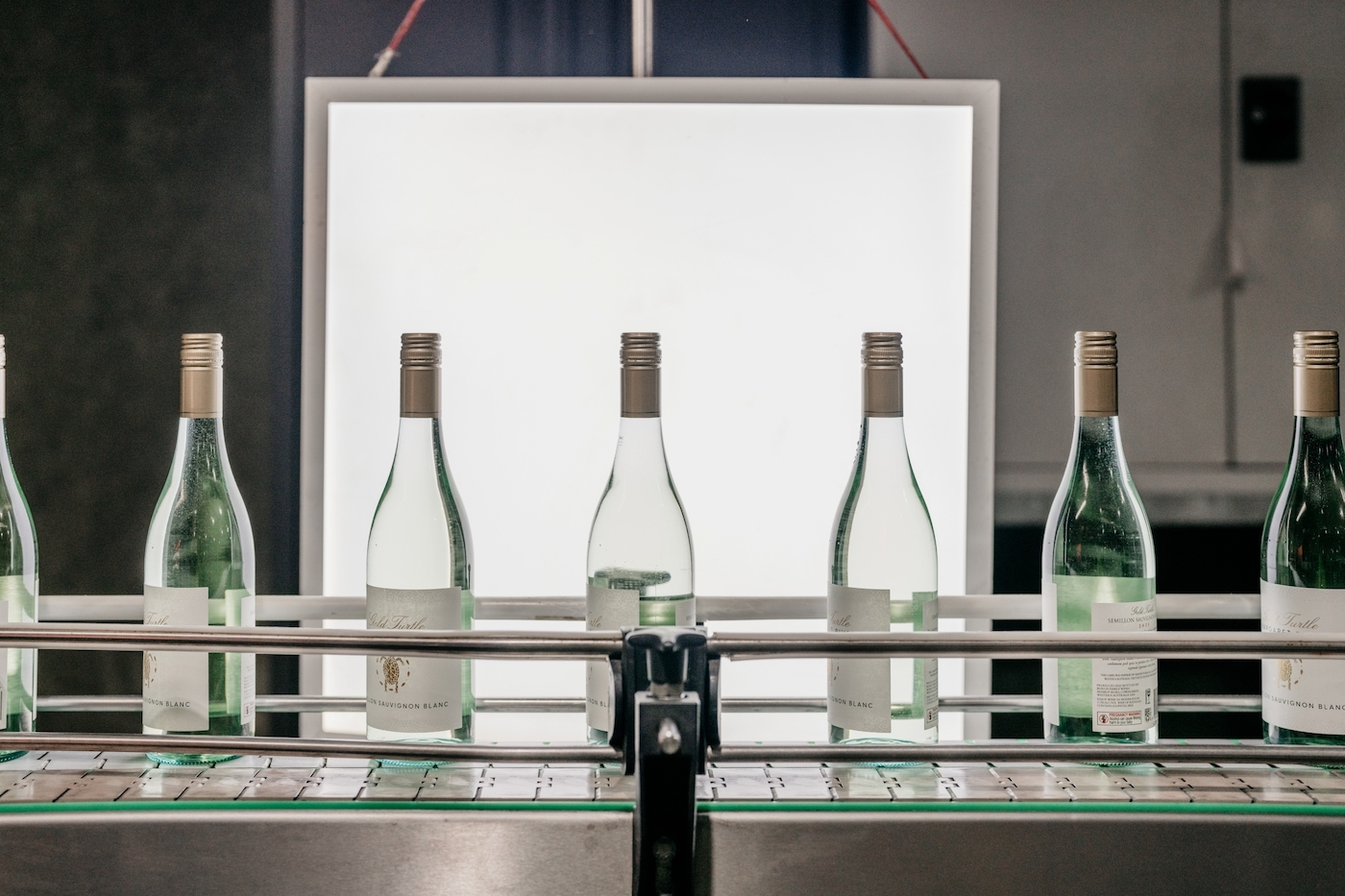
The Western Australian wine industry is calling on the State Government to reconsider the introduction of the Container Deposit Scheme (CDS), claiming it will put thousands of regional jobs at risk in what is the industry’s most challenging time in history.
The Friends of WA Wine – which represents more than 350 wine producers – says the CDS, which is due to be implemented on July 1, will put WA producers at a serious disadvantage to those in other states where it is not scheduled to be introduced until 2027
A spokesperson for the group said that WA was already a leader in sustainability in the wine industry, and implementing the CDS now would add considerable costs for little immediate environmental impact.
Participating consumers would receive a 10c refund for returning a bottle, but the complex layering of the Wine Equalisation Tax (WET) and GST, coupled with the added administrative, logistics and labelling costs, means the actual cost to all wine buyers in WA is estimated to be between $1.15 and $1.25 per bottle.
“The math simply does not add up for WA’s array of family winemakers or regionally-based producers,” says WA wine critic Ray Jordan.
“Wineries are being asked to implement a policy that targets less than one percent of the state’s litter at an annual cost of up to $11 million to the industry.
“This is a solution that costs far more than it is worth, putting 4,000 regional jobs at risk for a mere two percent projected increase in glass recovery.
“And wine drinkers lose out as producers have no choice but to pass on the costs of the scheme to keep business afloat.”
The industry is disappointed that despite approaches to Premier Roger Cook and Minister for the Environment Matthew Swinbourn, and the delivery of an open letter signed by 230 WA wine producers by the Wines of Western Australia Association, the Government has failed to recognise the impact of introducing this scheme when the industry is already adjusting to declining global demand for wine and rising costs.
The Friends of WA Wine highlighted a number of concerns:
• Unfair regional disadvantage: WA is implementing the scheme one year ahead of other states, leaving local producers with a disadvantage to Eastern States’ wineries that do not yet face these costs in an already challenging market.
• Compounded costs: Unlike fast-moving consumer goods, wine is an agricultural product with aging cycles of up to five years, meaning the CDS adds significant upfront administrative and labelling costs years before revenue is realised.
• Counterproductive carbon footprint: There is currently no bottle manufacturing capacity in Western Australia which means all locally recovered glass must be sent to South Australia to be reconstituted back into glass bottles. Transporting this cullet creates challenges including additional transport costs and related emissions which threaten the long term viability of glass recovery through the current CDS framework.
• Minimal environmental gain: Wine bottles represent less than one percent of the WA litter stream as customers already use available mixed material recycling bins to recycle a majority of wine bottles; the proposed extension seeks only a two-percentage point gain in recovery at a massive industry expense.
Western Australian winemakers are already national pacesetters on a variety of sustainability metrics, including:
• The state currently boasts one of the highest adoption rates for the national Sustainable Winegrowing Australia program with 75 percent of member wineries currently fully certified, significantly higher than the national average of 55 percent.
• The WA Wine Industry Strategic Framework 2025-2029 is the first state industry framework that integrates the national Wine Australia Emissions Reduction Roadmap into a comprehensive state-funded strategic framework.
• WA is a national leader in the transition to lightweight glass, with the Margaret River’s Lightweight Glass Packaging Charter being the first initiative of its kind in the country to tackle one of the industry’s most significant sources of carbon emissions.
The Friends of WA Wine are calling on the Premier and the Minister for the Environment to pause the July implementation and engage in meaningful dialogue to develop a fair policy that supports both the environment and the survival of WA’s iconic wine regions and celebrated wine industry.
Related content









Recent Comments