
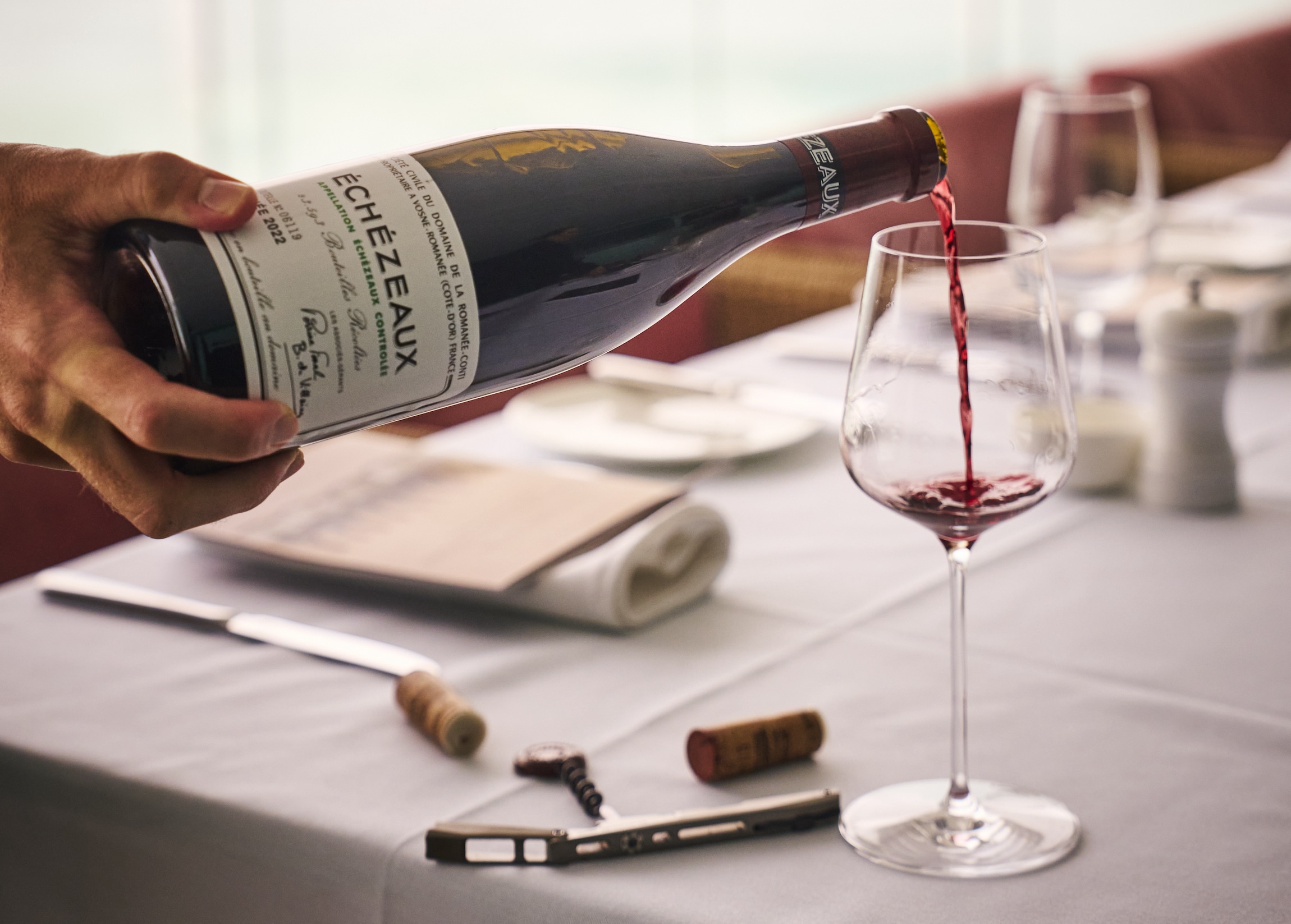
Langtons will launch its inaugural Classification of International Wine in August.
It will be an international version of its Classification of Australian Wine, a trusted guide for benchmarking local wines in the fine wine market since 1990.
“Australian wine palates are diverse and ever-expanding, with international wines holding an established presence in the collections of the country’s top wine drinkers,” says Tamara Grischy, general manager of Langtons.
“The Langtons Classification of International Wine will be a vital resource for these collectors by highlighting the finest global wines that drive the Australian auction market.”
The Classification will feature 160 wines from across the world’s top wine regions in France, Italy, New Zealand, US, Spain, Portugal and Germany.
It has been developed through secondary market auction data collected over the last five years from every international bottle that has been traded through Langtons, which is owned by the Endeavour Group.
Data driven
Like its Australian counterpart, Langtons says, the Classification of International Wine is not based on opinion, wine show medals or scores, but data reflective of the country’s top fine wine collectors.
“We look at every bottle of wine internationally that’s sent into Langtons and all its data,” says Michael Anderson, head of auctions at Langtons.
“This includes aspects such as a wine’s previous bidding history, its clearance rate and changes to its current value versus when the wine was bought.”
The purpose of the Langtons Classification of International Wine is two-fold.
Firstly, it will provide insights into the secondary market trends to assist those avid investors and collectors of fine wine.
Secondly, it will also act as an authoritative guide for those in search of a high-quality international wine for enjoying now.
Anderson says the Classification of International Wine will feature a mix of hard-to-find cult classics and established titans of the fine wine trade, indicating new shifts in the fine wine space.
“Without giving too much away, the wines included in the Classification of International Wine are pointing out some key market trends that will prove valuable to investors and collectors alike,” he says.
“Additionally, it’s also showing us what a huge volume of wine is coming through the auction space at the moment, which is a great indicator that the secondary market is strong.”
Surprises in store
Anderson says that some may be surprised with some of the “expected” wines not making an appearance in the inaugural edition.
“Just because a wine might not be on this first edition of the Classification of International Wine doesn’t mean it won’t be in the future,” he says.
“Scarcity plays a vital role in how the list is made, so if only a barrel is made of a wine, very few people will actually sell it and if they happen to get their hands on one, they’re more likely to keep it.
“So that results in less bottles of that particular wine in the auction space and data for us to use.”
While the Classification of International Wine focuses on wines from abroad, Anderson says the initiative also prompts the opportunity for Australian wines to shine alongside their global counterparts.
“The Langtons Classification of International Wine provides an opportunity for benchmarking our local First Classified wines included in the Langtons Classification of Australian Wine,” he says.
“For example, a wine such as the Bass Phillip Reserve Pinot Noir or Henschke Hill of Grace both sit easily alongside the greats of Burgundy, Bordeaux and Tuscany.
“This Classification will be a trusted tool to compare wines to see how incredible the quality of our Australian wines are.
“After all, Langtons was founded on the belief that the best Australian wines have a place at the world’s top tables.”
Bordeaux inspired
The Classifications are inspired by the 1855 Bordeaux Classification, which saw wines from the region ranked in importance from first to fifth growth crus mainly based on selling history.
The Langtons Classification of International Wine will see all wines categorised as Classified.
This differs from the Classification of Australian Wine which sees wines categorised as Classified, along with a small number deemed a higher First Classified status.
The latest 8th Langtons Classification of Australian Wine was released in late 2023 and was widely described as a “shake-up” to the last few decades of the guide.
This was due to large inclusion of cool-climate wine styles such as Tasmanian Pinot Noir and Yarra Valley Chardonnay, marking new wine drinking habits among Australians through a growing demand for lighter-style wines with elegance and vibrancy.
Debuting as a wine auction almost 40 years ago, Langtons offers a curated selection of Australian and international fine wine through its online wine store.
Related content












Recent Comments