
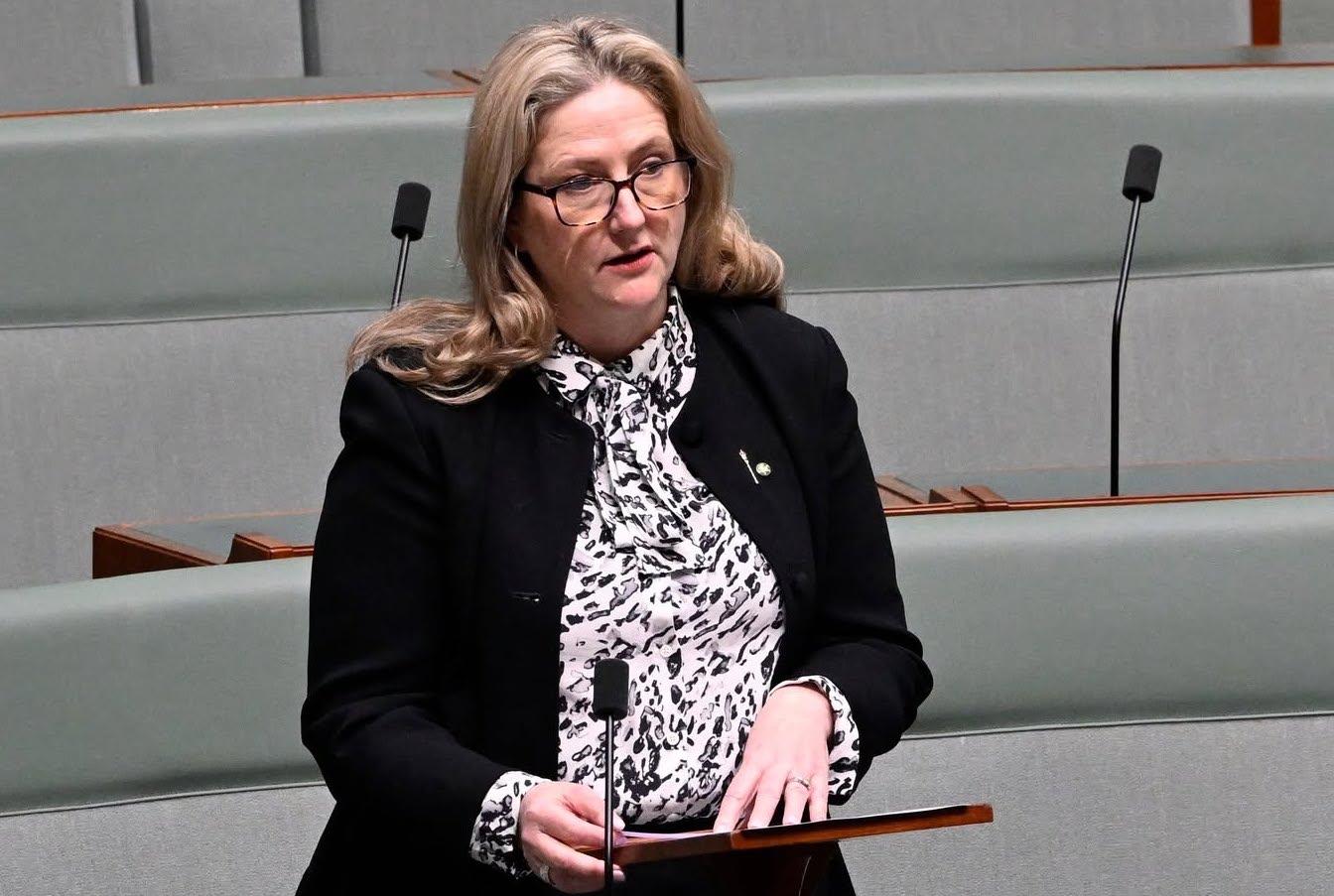
Independent Member for Mayo Rebekah Sharkie – whose electorate covers the wine regions of Adelaide Hills, Currency Creek and McLaren Vale – has urged the Australian Government to provide urgent support to the embattled wine industry.
“Just last week I was in McLaren Vale and it was heartbreaking to see unpicked vineyards scattered right across the district,” Sharkie told Federal Parliament on Monday.
“I’ve spoken to winemakers, cellar door operators, hospitality businesses… they are all facing increasing financial pressure and uncertainty about the future.
“I’ve heard from families who have devoted generations to the industry and they are now unsure whether they have a viable business to pass on to their children.
“The tourism industry is feeling the fallout in the regions where wine tourism is critical to economic survival.”
She said there was a big flow-on effect to wine industry suppliers.
“There is a flow-on effect to bottling plants, to agriculture supplies, to freight companies, to printers, to carton manufacturers and all those secondary industries reliant on a successful wine sector,” Sharkie said.
“The pressure is relentless and it’s not just financial.
“It’s emotional, it’s affecting mental health, family relationships and entire communities.
“It’s often invisible to those outside of the industry but it’s being felt right across kitchen tables, inside family businesses and across regions.”
The Australian grape and wine industry put forward a Budget proposal designed to allow orderly transition, reduce oversupply and support growers and winemakers through change.
“But the industry’s calls for assistance have gone unanswered,” Sharkie said.
“What is frustrating is that the Government seems to be turning a blind eye to this.
“The Budget not only failed to help the wine industry, it actually cut funding, phasing out the Wine Tourism and Cellar Door Grant Program at a time when it is most needed and not reinvesting that funding into anything else within the sector.
“Reality is that this devastating change to the wine industry is happening whether the Government acts or not.
“The cost of doing nothing will not disappear, it will simply be borne by growers, families, communities and ultimately, taxpayers.
“We owe it to families, workers and communities who have built this industry to ensure they are not left facing the challenge alone.”
“Deputy Speaker, this is an incredibly important industry to my electorate, it provides an enormous variety of employment, and I urge the Government to support it.”
Sharkie told Parliament that the Australian grape and wine sector provides more than $51 billion to the economy and supports more than 203,000 jobs.
“It’s an industry that sustains regional communities, drives tourism, supports exports and showcases Australia to the world,” she said.
“Right now the industry is in structural distress, global wine consumption has fallen to its lowest level since 1961.
“Australian wine production exceeded sales by 52 million litres in the last financial year.
“Forecasts suggest that the global wine market will shrink by a further eight percent over the next five years.
“And these figures tell a story, and behind that story are people, families and communities.
“This is playing out in wine regions across the country, and particularly evident in my home state of South Australia where 80 percent of Australia’s premium and 50 percent of all of its bottled wine is produced.”
Sharkie said the wine industry was part of “the very fabric” of her electorate of Mayo.
“We are home to some of Australia’s most recognised wine regions including the Adelaide Hills, McLaren Vale, Langhorne Creek and Currency Creek,” she said.
“Together these regions account for almost 30 percent of South Australia’s grape production and support more than 1,300 grapegrowers.
“I’ve spoken with some of those growers, who are questioning whether they can continue.
“It’s not viable to keep growing unsold grapes. But also too costly to pull out vines and to diversify.”
Photo: Rebekah Sharkie Facebook page.
Related content












Recent Comments