
Warren Randall has said for a few years now that Australia needs to reduce its vineyard footprint (about 148,000 hectares) by one-third.
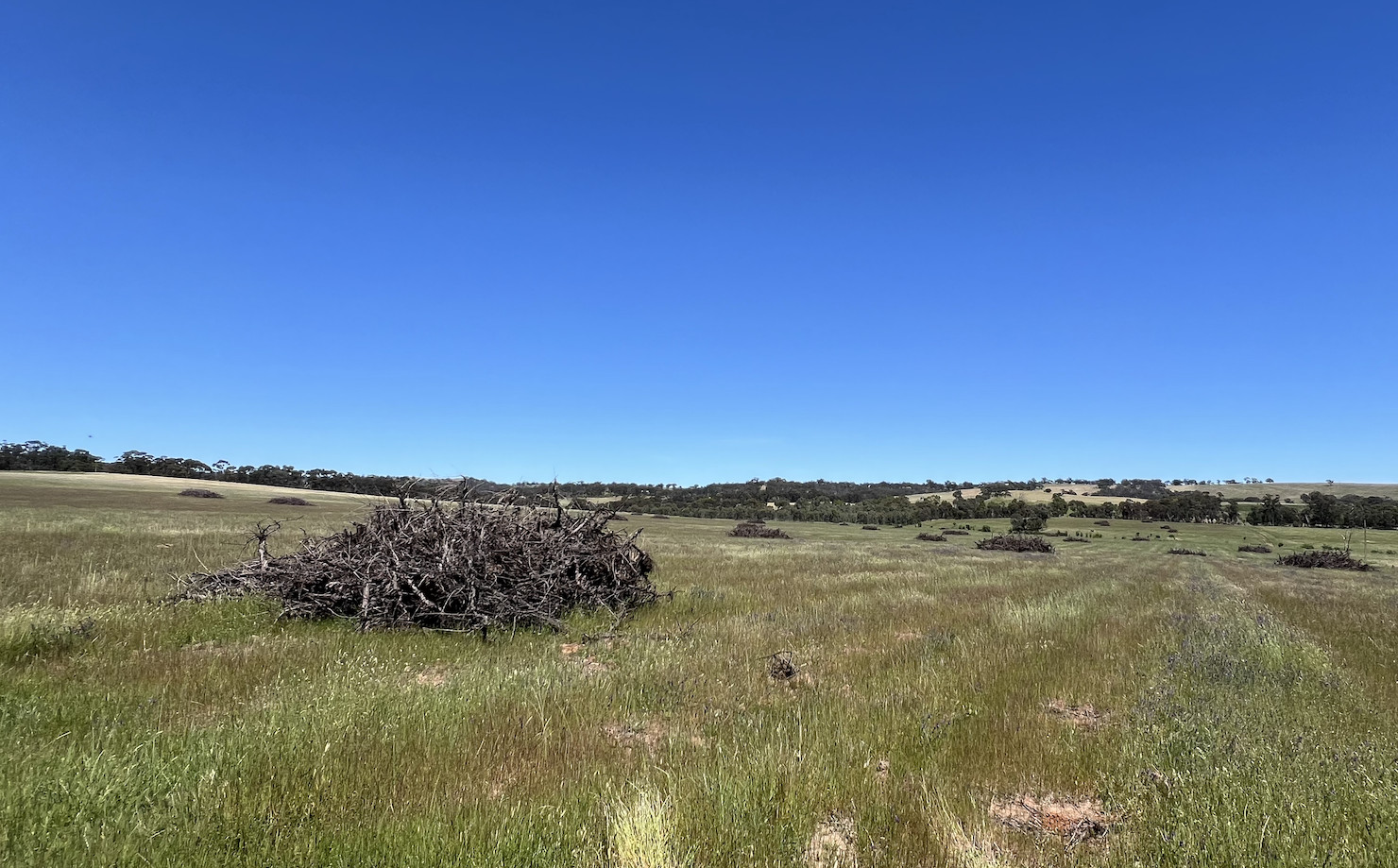
He sent us pictures of 28-year-old Eden Valley Shiraz being grubbed.
Randall Wine Group (RWG) is looking to take out 1,220 hectares all up.
“That would be the single largest private premium vine removal program ever in Australia’s history,” Randall says.
Then the battle cry.
“We’re doing our duty to return the Australian wine industry to supply/demand balance. Is everyone else?”
WBM tried to find out.
The vine pull is random and all a bit of a mystery.
The National Vineyard Register is a way off.
Getting information isn’t easy; there’s a stigma attached to vines coming out.
We need to turn that around and give credit to those making the hard calls.
When I told Andrew Weeks from Riverland Wine what I was trying to find out, he said, “If you can pin this issue down you will get a medal the size of a frying pan.”
Then he said, “From our basic mapping exercise, it is around 1,300 hectares that has come out of production (removed) over the last two years and another 880 hectares that ‘looks like’ it is in limbo.”
It could escalate quickly. Many Riverland growers don’t know what to do with the prices so low.
Langhorne Creek – which has contributed to four Jimmy Watsons – has grubbed 1,000 hectares in two years; at least another 500 hectares will probably come out in the next 12 months.
A further 500 hectares of vines are believed to have been mothballed.
One local said, “The area could conceivably come down to 3,000 hectares in total plantings (from a maximum of 6,000 hectares) if the industry trajectory does not change.”
Langhorne Creek is becoming a more diversified farming district; healthier and more sustainable.
And dare I say it, more interesting with other nice things like flowers and pasture-raised eggs emerging to add to the wine.
McLaren Vale has lost about 240 hectares – mainly from “weaker” areas.
It would make a huge difference if we all just pulled “weaker” rows.
The Barossa is removing vines, but Nicki Robins from Barossa Australia says, “According to Vinehealth Australia data, the total vineyard area in the Barossa Valley at 3 April 2026 was 11,918 hectares, which is 24 hectares less than four years ago.
“Interestingly, there were 45 hectares of new vines planted in the Barossa Valley in 2025-26, and 65 hectares planted in 2024-25.
“Most were red: Cabernet (23 hectares) and Shiraz (11 hectares).”
Paul Derrico from Murray Valley Winegrowers, which represents independent growers (not wineries) says about 1,650 hectares of vines have been removed from his patch in two years; almost 5,000 in seven years.
The grower base is 165 – down from 1,300 in 2005.
Jeremy Cass, CEO of Riverina Winegrape Growers said, “When I started in February 2022, we had around 22,000 hectares of vineyard and 275 growers. We are now down to 15,500 hectares.”
It is falling by the week.
“We estimate that a further 1,000 hectares have been abandoned or are being rested.”
Only 185 growers delivered fruit last vintage.
There are many more coming out, of course, in other regions like Clare, Coonawarra and Margs.
And many vineyards are being rested or left to die.
Judging by these stories and others rapidly unfolding across Australia, the industry appears to be approaching 15,000 hectares pulled out.
Someone asked me, “When do we start having the conversation about over-reaching?”
Yes, while there is more pulling to do, there is some danger in going too far with certain varieties and regions.
We’ve learned our lesson, haven’t we?
The last word goes to the man on a mission – Warren Randall.
“This downturn is structural, not cyclical, and this national vine pull is absolutely essential. The faster we act, the faster we will all return to profit.”
• A version of this article was first published in our newsletter The Week That Was.
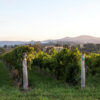
Photograph: Polish Hill River Shiraz in Clare ready to burn. Photo credit: Randall Wine Group.










Recent Comments